Brazil
The impacts of extreme climate events in Brazil are diverse and affect various regions differently. The Tracker team is working closely with Brazil’s government to strengthen climate planning and build resilience.
Brazil, with a population exceeding 203 million people, ranked as the 11th largest global economy in 2022, reporting a GDP of USD 1.92 trillion (IDB, 2024). The Brazilian territory encompasses various hydro-climatic regions, each crucial in environmental regulation and socioeconomic development. Its diverse biomes—Amazon, Cerrado, Caatinga, Atlantic Forest, and Pampas—imbue each region with unique vulnerabilities and resilience to the impacts of climate change.
This territorial complexity necessitates adopting specific mitigation and adaptation strategies to address climate challenges effectively.
The goal of our work with Brazil is to foster new generations of planning instruments that effectively and integratively address the fundamental interactions between water and climate and their impacts on economic sectors and people’s lives.
Brazil’s government has already recognized what a valuable tool and approach the Tracker is at a national level and will be using its questionnaire for regional planning as well as in the development of four climate-resilient river basin management plans.
The data and interviews conducted with Brazilian ministries during the first phase of the Water Resilience Tracker revealed a prevailing perception wherein ministries regarded water as a basic economic input, a numerical value within a spreadsheet. Institutionally, water was not being viewed as a strategic asset, overlooking its capacity for significant and abrupt change.
-
In the Amazon, deforestation and rising temperatures are disrupting the evapotranspiration cycle, reducing rainfall, and directly impacting river flows. This scenario exacerbates water stress, decreases the efficiency of hydroelectric reservoirs, and threatens biodiversity and ecosystem functions, such as carbon storage.
In the Cerrado, agricultural expansion and wildfires are degrading soil, reducing water availability, compromising biodiversity, and increasing the risk of conflicts over water use, particularly in intensive farming areas. In the semi-arid Northeast, prolonged droughts are accelerating desertification, threatening traditional agriculture and livestock farming, and increasing competition for water resources.
In the South region, events such as floods and cyclones are becoming more frequent and intense, causing damage to infrastructure and agriculture. The Southeast region, particularly the state of São Paulo, faced significant challenges related to water crises in the last decade, with substantial impacts on water supply, energy production, and the economy. These events highlight the vulnerability of urban areas and the lack of adequate planning for climate disasters. They underscore the urgent need to adapt sectoral policies and adopt an integrated approach to mitigate the effects of climate change.
In addition to more frequent and intense extreme hydrological events, climate change impacts the water cycle by altering water availability—generally decreasing across most of the country—and shifting the timing of high and low flow periods in river basins. This necessitates a review of assumptions used in water resource planning and allocation among different uses and users.
Ana Toni, Director, Ministry of Environment & Climate Change, Brazil
“Through the Water Resilience Tracker we are asking the difficult questions in order to seek real solutions. We are using water as a connector of public policies.”

The development of the Water Resilience Tracker Brazil initiative is the result of a partnership between the National Water and Basic Sanitation Agency (ANA, Agência Nacional de Águas e Saneamento Básico) and the Alliance for Global Water Adaptation (AGWA), the tool's developer, with funding from the Inter-American Development Bank and implementation by the Strategic Center of Excellence in Water and Drought Policies (CEPAS, Centro Estratégico de Excelência em Políticas de Águas e Secas).
Our Approach
The Water Resilience Tracker was applied to analyze eight national documents including Brazil’s Nationally Determined Contribution (NDC), the National Adaptation Plan to Climate Change. These documents form the foundation of Brazil’s national climate change, water resource, and sectoral strategies directly influenced by water and extreme events.
The eight documents were assessed to map how adaptation is addressed — or omitted — within national plans, identifying gaps for potential improvements in the analyzed documents. The assessment has 6 general steps (see Figure 1).
The primary tool for content analysis is the Water Resilience Tracker Form, which contains 153 questions distributed across four sections. Responses were based on an innovative dual process combining artificial intelligence tools with human evaluation capacity.
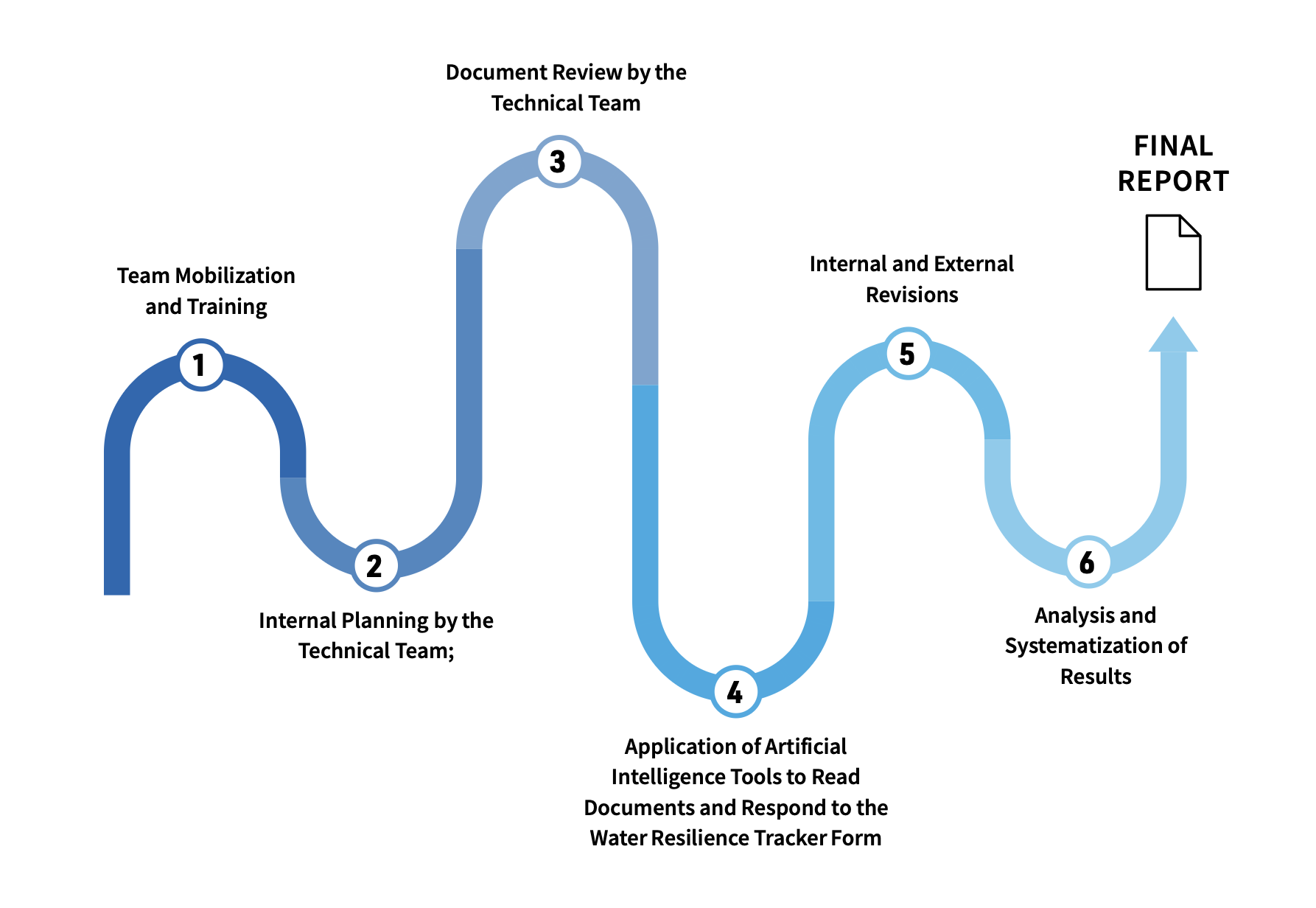
Figure 1. Flowchart of the methodological steps
Impact of Tracker tool
"The Water Resilience Tracker has been an important tool in helping us identify critical gaps and strengthen adaptation strategies that place water resilience at the center of climate action in Brazil” said Ana Paula Fioreze, National Water Agency of Brazil. Going forward, Brazil’s National Water Agency plans to use the Tracker to inform the development of next-generation water plans to be “more adaptive, forward-looking, and designed to secure water resources in the face of increasing climate variability," Fioreze continues.
The Water Resilience Tracker team will continue its close collaboration with the Brazilian government in the run up to COP30 and beyond. The work will focus on capacity building and the development of sectoral NAPs, coordinated by the Ministry of Environment and Climate Change.
Next Steps
Based on the results of the Water Resilience Tracker application and the improvement opportunities identified in the national documents the following actions are recommended to enhance climate instruments and strengthen water resilience in the face of climate change:
-
The analyzed documents generally mention climate impacts on water resources but present an opportunity to provide more detailed analyses of risks from extreme events, such as droughts and floods, and reduced water availability, especially in regions with challenging water balances. To address this, it is recommended to:
Include specific sections in documents such as the PNRH, PNSH, NDC, and PNA, focusing on detailed water risks with illustrative examples of climate change consequences affecting the water cycle.
-
The analyzed documents generally mention climate impacts on water resources but present an opportunity to provide more detailed analyses of risks from extreme events, such as droughts and floods, and reduced water availability, especially in regions with challenging water balances. To address this, it is recommended to:
Include specific sections in documents such as the PNRH, PNSH, NDC, and PNA, focusing on detailed water risks with illustrative examples of climate change consequences affecting the water cycle.
-
Water has been identified as a central opportunity for mitigation, particularly in the generation of clean energy, but there is a lack of dedicated sections to explore this perspective more strategically. It is recommended to:
Create and strengthen a portfolio of multi-sectoral projects that connect efficient water use to climate mitigation goals and long-term resilience, aiming for climate funding from international sources.
-
The documents suggest a general approach to water management, but there is room to include more detailed regional analyses that consider the specific characteristics of different regions in Brazil, especially those most vulnerable to climate change. To achieve this:
Include detailed regional projections on the impacts of climate change on water resources in documents such as the PNA, PNSH, PNDC, and PNRH, which will help formulate more effective regional strategies.
-
Besides improving the plans, it is crucial to strengthen institutional capacities at the national, state, and local levels. This can be achieved through:
Conducting workshops and training sessions on climate risk analysis, developing a portfolio of fundable projects, and training for integrating water into sectoral plans, focusing on preparing technical teams to implement the documents’ recommendations effectively.
-
Some planning documents address, to varying degrees, their relationship with strategic sectors such as urban planning, tourism, health, industry, and transportation. However, these documents often fail to highlight the importance and impacts of these interconnections on water management and its primary objectives. To enhance this integration, it is recommended to:
Include specific sections where related sectors are considered in terms of their impacts on water and their strategies for climate adaptation and mitigation.
Brazil’s government has already recognized what a valuable tool and approach the Tracker is at a national level and will be using its questionnaire for regional planning as well as in the development of four climate-resilient river basin management plans.
This report presents and evaluates the first application of the tool in Brazil’s general and sectoral strategic plans.
The report provides a detailed overview of the Water Resilience Tracker’s work in Brazil including regional challenges and detailed findings.