
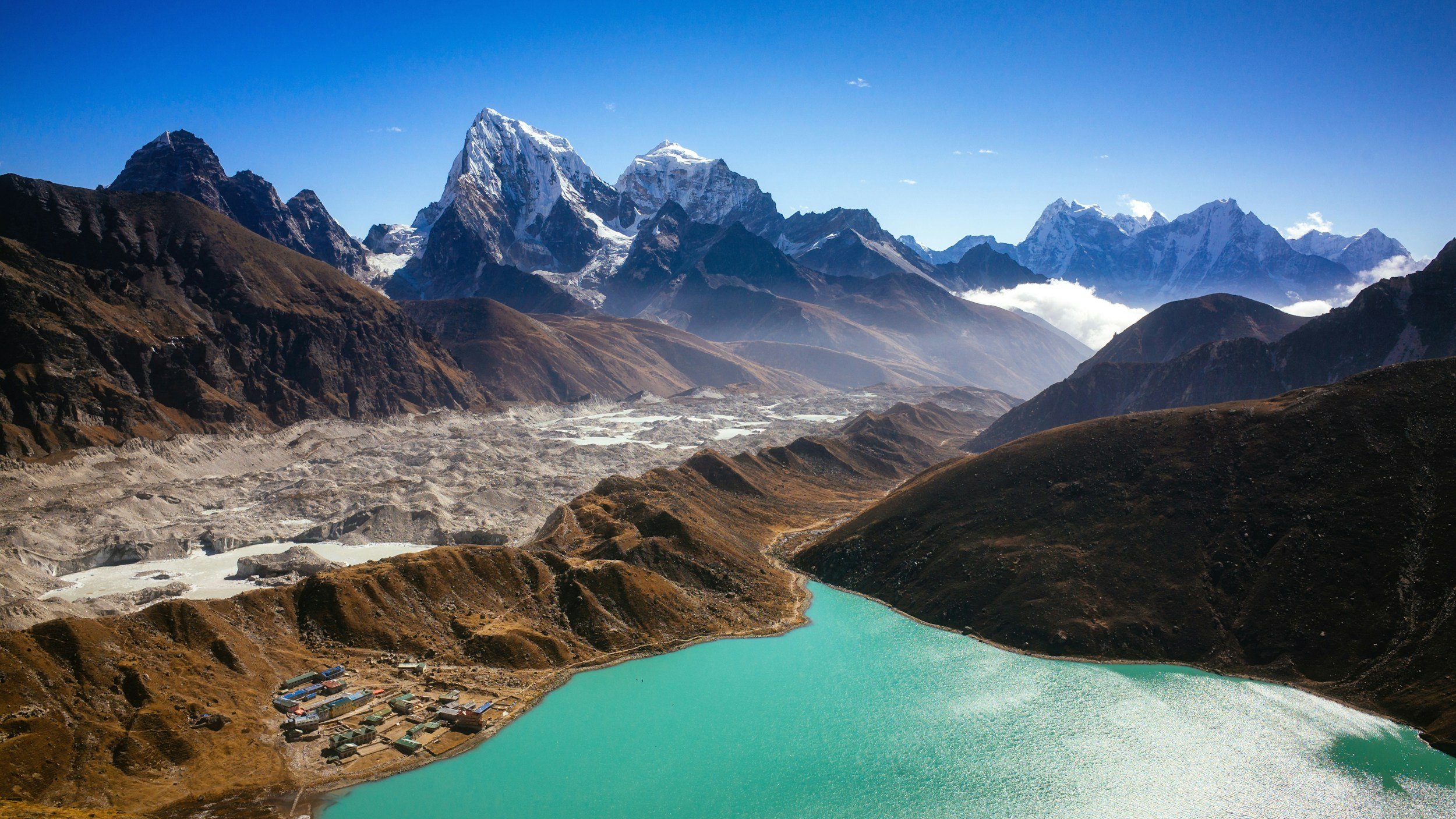
Nepal
Nepal is one of the countries most vulnerable to climate change impacts. The Nepal government works closely with the Tracker to strengthen the inclusion of water in national climate planning and build capacity to access climate funding.
Climate change in Nepal is accelerating snow melting, creating new glacial lakes, floods and landslides. At the same time, changes to the hydrological cycle are altering water availability. Rivers have less flow in the dry season, threatening hydropower generation and irrigation projects, as well as basic drinking water and sanitation services.
-
Nepal often experiences ‘too much’ water during the monsoon and ‘too little’ water during the dry seasons. Climate projections indicate this tendency will worsen.
Decreased water availability in dry seasons causes losses in multiple sectors. Climate change impacts on hydropower are estimated to cause losses of 0.1% to 0.3% in annual gross domestic profit.
Water induced disasters are increasing in frequency and intensity. On average 647 died from these events earch year between 1971 and 2019, while the September 2024 floods in Central Nepal caused losses of 355 million USD.
A 2021 risk and vulnerability assessment identified widespread vulnerability to climate change across geographical areas, watersheds, and river basins in Nepal.
Nepal has formulated several policies and plans related to climate change and water in response to these challenges. The country has also established and strengthened institutions to address climate change impacts and to advance sustainable use of water resources.
The Tracker is working with Nepal to further integrate water resilience principles and evidence-based policy recommendations, create the enabling conditions to access finance for climate-resilient water management, and build capacity among policymakers, practitioners and investors.
Impacts of our collaboration with Nepal
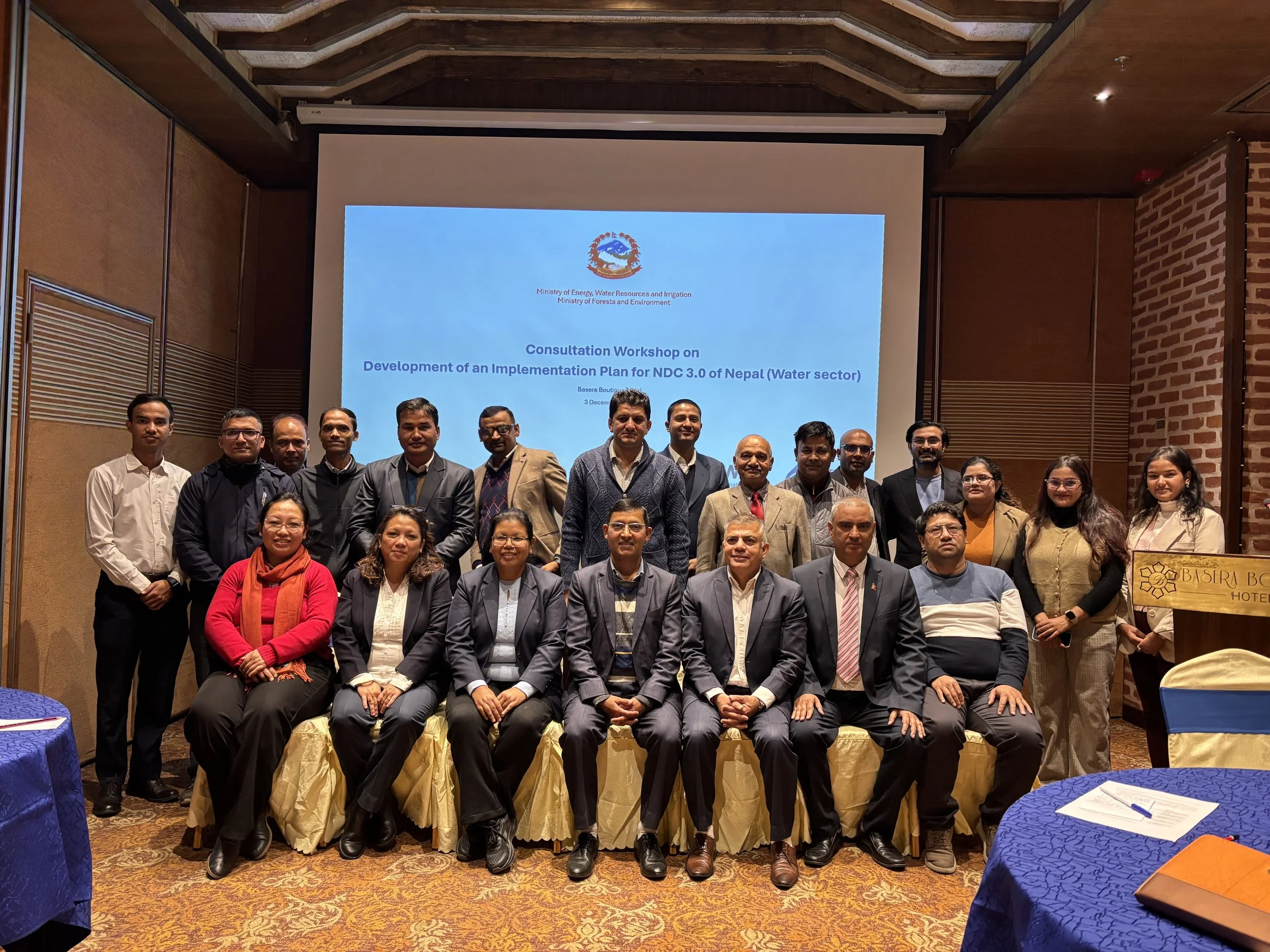
Between 2022 and 2025, the Water Resilience Tracker was applied to 17 climate and water sector policies and plans in Nepal, resulting in a comprehensive country report. The Nepal government has since used outcomes from the Tracker to revise irrigation and water-induced disaster management policies, and support the design of water sector indicators for the National Determined Contribution (NDC) 3.0.
-
Application of the Water Resilience Tracker tool on national climate and water policies and plans illuminated:
Water as a risk in many policies, and as a sector and resource in some policies
The need for integration and implementation of adaptation actions to build the adaptive capacity and resilience of climate-vulnerable communities, and the three tiers of the government, including relevant stakeholders by promoting gender equality and social inclusion
The need to understand the role of water in achieving mitigation targets and adaptation goals, and to realise water availability, requirements, and allocations for different sectors
The urgency of making water infrastructure climate adaptive and resilient
The need for hydromet services and climate data for climate vulnerability and risk assessment and prioritisation of climate actions
The need for mobilising existing coordination mechanisms to further water-resilient climate actions
The need for mobilising domestic and international financial resources and accessing bilateral and multilateral funding to implement the climate and water sector policies and plans
The benefits of understanding financiers’ strategic priorities, fund availability, and investment criteria to access climate finance for safeguarding climate-vulnerable communities.
-
Nepal's irrigation and water-induced disaster management policies were reviewed twice during the application of the Water Resilience Tracker. Changes in the two policies reviewed in 2022 and 2025 indicate greater realisation of the impacts of climate change on irrigation and water-induced disasters.
The 2023 policies on irrigation and WIDs are considered ‘climate-smart’ due to the inclusion of climate change provisions to make irrigation and water-induced disaster management structures climate responsive and adaptive.
This may be due to evidence from application of the Tracker, along with increased awareness among policymakers and investors, effective participation of stakeholders in policy development processes, guidance from national policies plans including NDCs and NAPs, and participation international climate change negotiations.
-
Following application of the Water Resilience Tracker tool, a co-creation process with Nepal resulted in a second phase (2025-2029) plan to address the country's needs through technical guidance and support, policy and institutional support, capacity development and partnership. Gender Equality, Disability and Social Inclusion (GEDSI) is one of the central priorities throughout the design and implementation of all interventions.
The intended outcomes of this collaboration are:
Improved interconnectedness between water and climate policies for uptake of water resilience principles and evidence-based policy recommendations
Strengthened enabling conditions to leverage climate finance for climate-resilient water management
Strengthened knowledge and capacity of policymakers, practitioners, and investors to uptake climate-resilient principles for water resource management
News
Resources
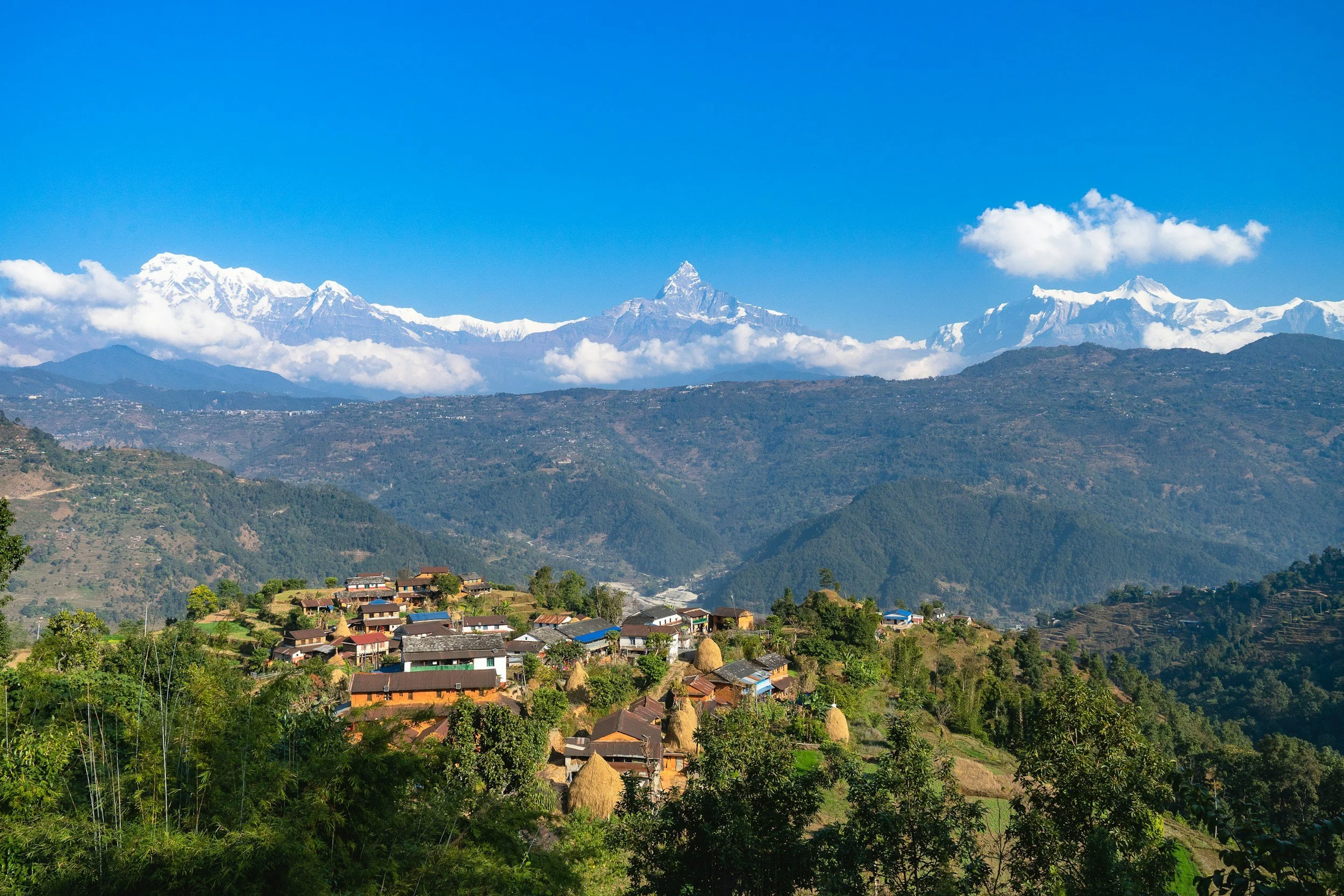

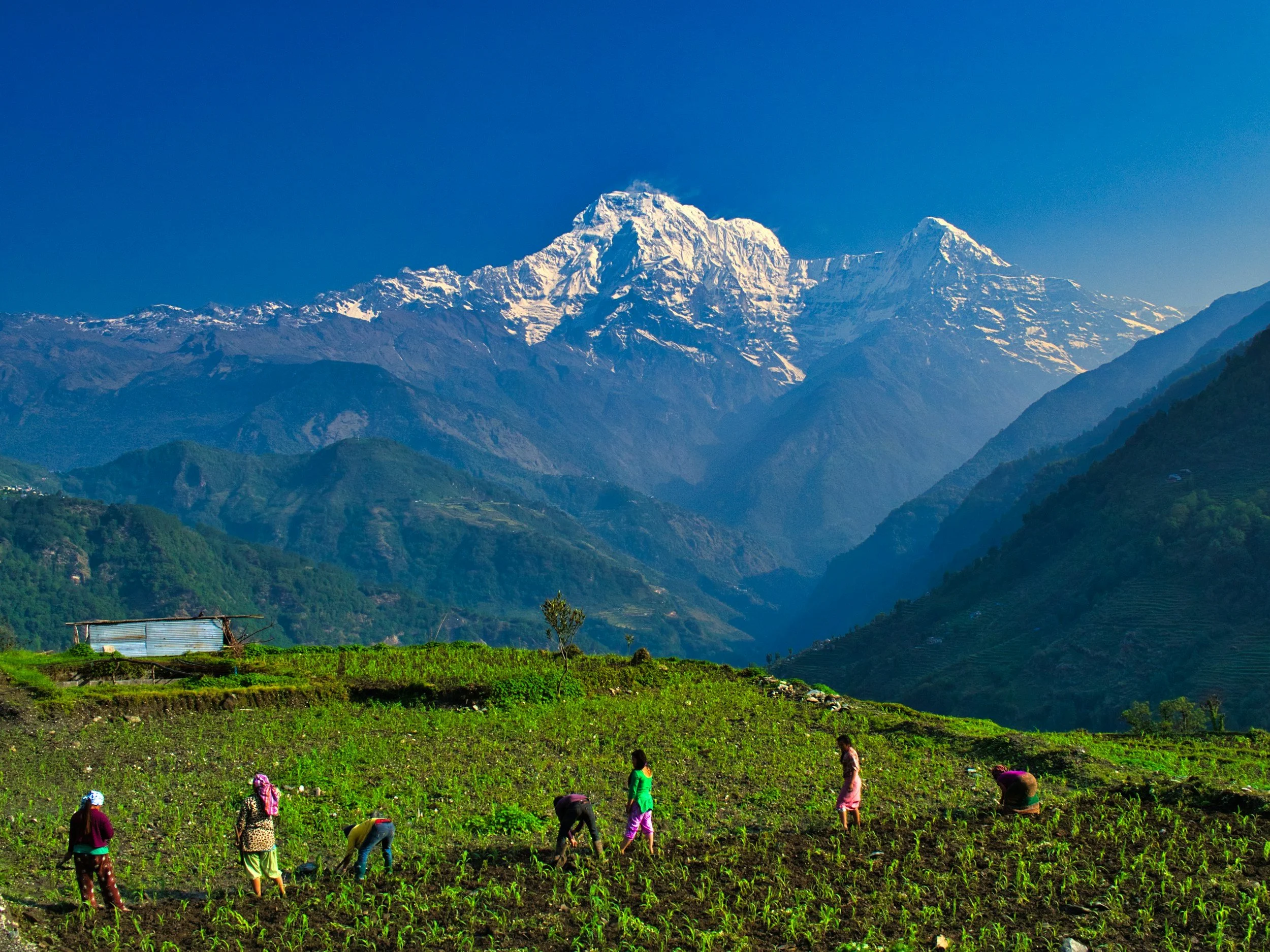
Between 2022 and 2025, the Water Resilience Tracker was applied in Nepal under the coordination of the Water and Energy Commission Secretariat (WECS) with funding from the UK Foreign, Commonwealth, and Development Office (FCDO). The Tracker partners with government ministries including the Ministry of Energy, Water Resources and Irrigation (MOEWRI), Climate Change Management Division (CCMD), Ministry of Forests and Environment (MOFE).