
Water Resilience Tracker gains momentum in Morocco
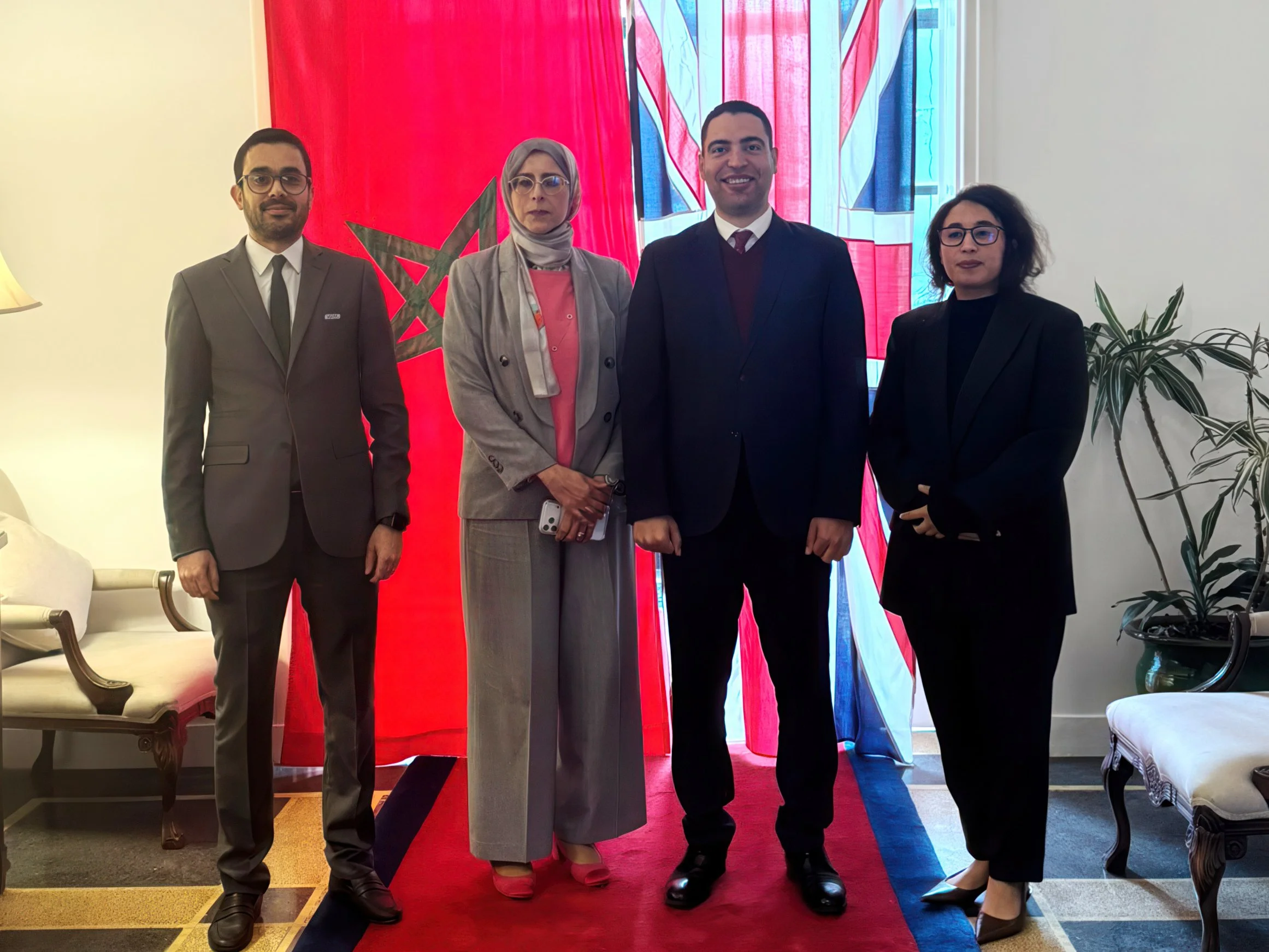
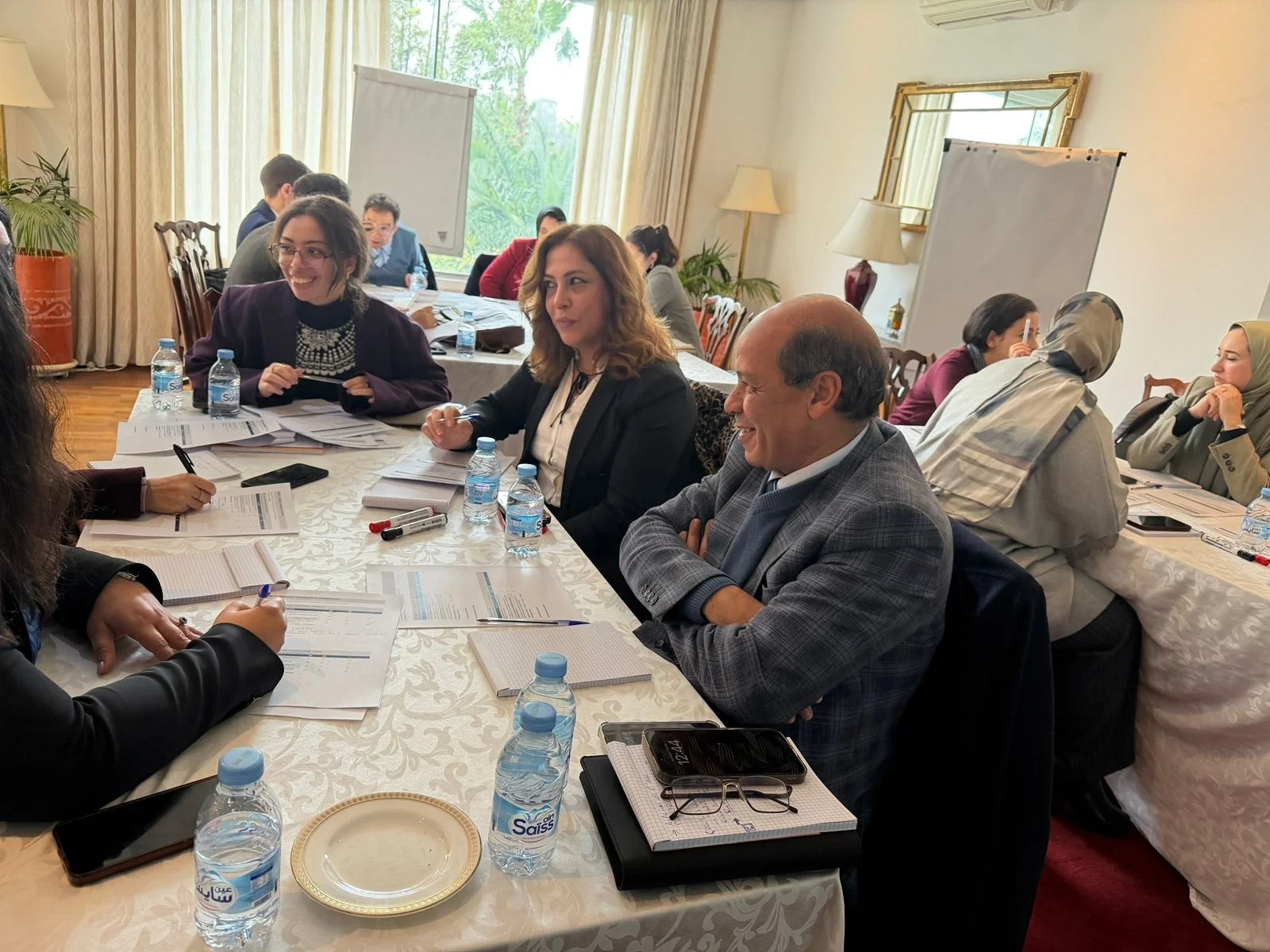
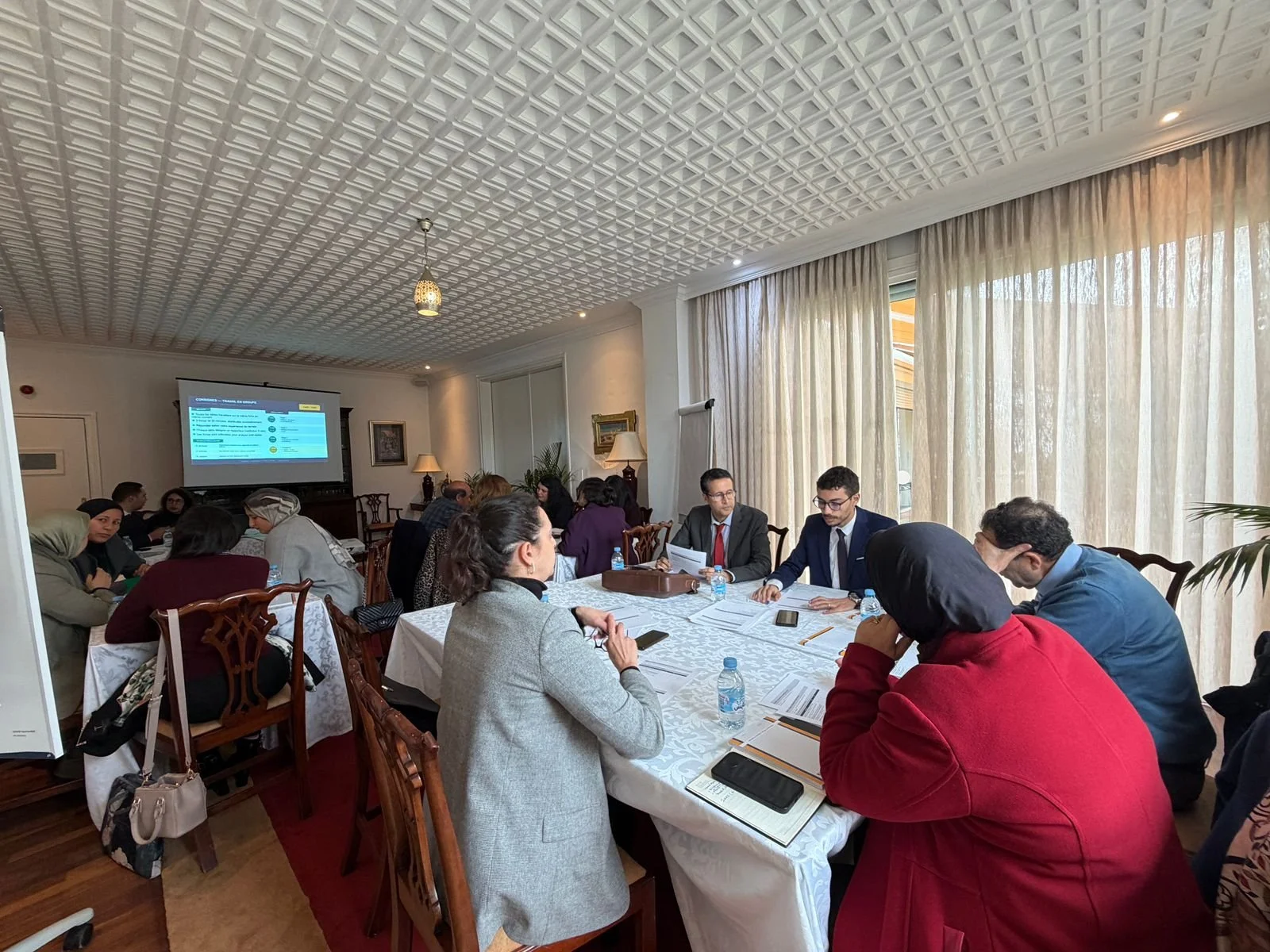
Within the framework of the Just Transitions for Water Security (JTWS) Programme supported by the UK Government, the British Embassy Rabat convened a National Consultation Workshop in Rabat on 11 February 2026 to bring together key national and international stakeholders to advance water resilience in Morocco. At the heart of the discussions was the application of the Water Resilience Tracker (WRT) approach, as a key means for integrating climate and water planning processes.
As evidenced by the Entry Study, Morocco is facing increasing water stress driven by climate change, recurrent droughts, population growth, and rising demand from agriculture and urban development. In response, the country has adopted ambitious frameworks, such as its Nationally Determined Contribution (NDC3.0), the National Climate Plan, and the National Water Strategy. To ensure policy coherence, the WRT will aim to support national efforts to strengthen synergies between these frameworks by systematically assessing water resilience across policies, institutions, data systems, sectors, equity, ecosystems and finance.
Becca White, Head of Political Section at the British Embassy Rabat said during the opening of the workshop: “We are working together for a just, inclusive and sustainable water transition supported by the strengthened partnership between Morocco and the United Kingdom, working alongside our technical partners.”
Hassan Tolba Aboelnga, from the Alliance for Global Water Adaptation (AGWA) added: “In the face of climate uncertainty, resilience is the highest-yielding investment a nation can make. The Water Resilience Tracker serves as the essential diagnostic tool to integrate water resilience across all sectors, providing the transparency and foresight that governments and International Financial Institutions demand. We are supporting the partner countries in de-risking the future by proving that climate governance is proactive, measurable, and built to withstand the shocks of tomorrow."
The workshop served to introduce the WRT framework and methodology and to explore its application in the Moroccan context. Through interactive multi-stakeholder group work and plenary discussions, the workshop laid a foundation for the WRT application in Morocco, in order to improve multi-stakeholder coordination, and co-design fundable resilience pathways.